

Choosing how to play Casoo Casino on your phone boils down to two solid options — the native app or the browser version https://casoo.pt/app/. Both unlock the full game library, your account controls, and every promotion, but they achieve it in somewhat distinct ways. The app provides you with an interface designed for touchscreens, navigation that runs without hiccups, and direct hooks into your device that a browser just cannot match. The mobile site, in contrast, requires no storage space, no setup, and operates on any recent smartphone no matter what OS version you’re on. If you prefer to jump in right now, the browser gets you started. If you favor a tighter, more refined feel with a possible benefit in speed, the app offers a compelling reason. The distinctions in how they function, how they manage security, and how they keep you informed all count when you’re picking the approach that matches the way you game. Let’s examine what sets them apart so you can decide with assurance.
Installation and Configuration Procedures
Acquiring the Casoo app onto your handset is far like using the mobile site, and a few simple steps are useful knowing to stay safe. You begin by visiting the official Casoo website straight from your device. The site spots your operating system and points you to the right installation file. Android users need to toggle a security setting to enable installs from unknown sources — this is normal for real-money gaming apps that operate outside the Google Play Store. Once the APK finishes downloading, the installation wizard assumes control and completes in under a minute if your connection is decent. After that, a Casoo icon appears on your home screen, ready for next time. iOS users have an even more seamless ride: the app usually shows up through Apple’s App Store or as a configuration profile that integrates neatly into the Apple ecosystem. Avoid the app, and you skip all of this. With the mobile browser, you input the Casoo URL, sign in, and you’re active. There are no updates to track, no storage warnings to dismiss, and no compatibility checks to stress over. For casual gaming or if you move between different phones and tablets, the browser is as easy as it gets.
Game Collection Access and Platform Compatibility
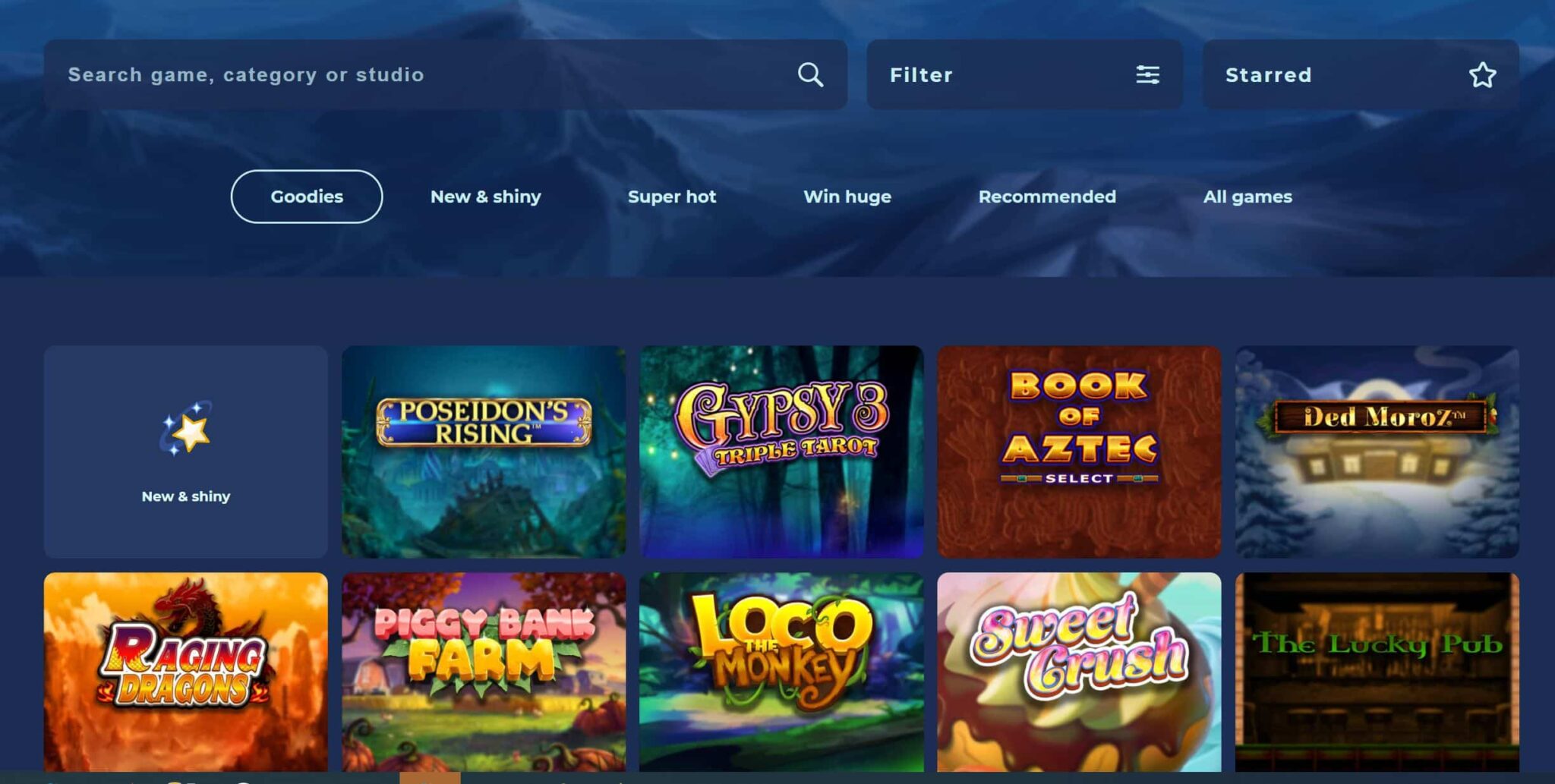
The whole Casoo game catalog is available to you whether you open the app or open the mobile site. Slots, table games, live dealer streams, instant-win titles — they all use HTML5 and adapt to fit your screen without any fuss. The app adds a few small conveniences. Personalized game suggestions leverage preference data stored locally, and your recently played list hangs around even after a restart. Filtering tools activate faster because the app buffers the index of categories and providers, so narrowing down hundreds of titles is speedy. The mobile browser makes up for its stateless setup by fetching server-side personalization once you log in. Bookmarked titles and recently touched games show up front and center without needing local storage. Live dealer games deserve special attention because their adaptive bitrate streaming modifies video quality on the fly based on your connection speed. That operates exactly the same through both channels, delivering smooth playback at the right resolution. Table games with intricate betting grids and multiple action spots are carefully optimized for touch, with buttons spaced to avoid fat-finger mistakes during fast rounds. Whichever way you play, you get the same games, the same quality, and the same experience across the entire library.
Interface Design and Exploration Experience
The Casoo app’s interface is built specifically for mobile — touch targets are dimensioned right, gestures work as you’d expect, and the screens transition naturally whether you hold the phone upright or sideways. Menus open and close of expandable drawers, game tiles scale on their own, and the whole layout remains uniform across different display sizes. Jumping between the casino lobby, live dealer area, promos, and the cashier is a single tap on the icon bar fixed at the bottom of the screen. That navigation bar persists during most actions, so you waste less time finding your way. The app also saves parts of the interface locally, which means screen changes appear immediate and don’t wait on a server response for every tap. The mobile browser version is fully responsive and looks clean, but it has to handle the browser’s own frame — the address bar, tab buttons, and menus encroach on the screen until you manually go fullscreen. Scrolling can feel a touch different depending on which browser engine you’re using, and if you step away from the tab for a while, it may refresh when you come back. Still, nothing is hidden. Every feature from the desktop platform is there, and you won’t lose out just because you skipped the install.
Performance metrics and Load Times Evaluation
Performance is where the app and mobile browser really differ. The application comes with a significant part of its graphics, game categories, and essential parts installed during installation. That means loading times are around two to three seconds on a mid-range phone, and jumping between cached sections feels nearly immediate. Game load times gets another enhancement from cached shared libraries — slot mechanics and animation libraries stick around, so once you have loaded one title from a supplier, the subsequent titles from that same studio load quicker. You notice this most when you are trying a selection of games in one go. The application also processes data differently, using lean API calls and conserving bandwidth for the real game streams instead of sending again interface details. The mobile browser does a solid job on a reliable LTE or Wi-Fi network, displaying games through HTML5 that adjusts to your screen and hardware. A fresh page load might take five to eight seconds, according to network quality, because the browser fetches stylesheets and JavaScript files from the server each time. But today’s caching closes a lot of that gap during a one session. If your phone is older or your internet is unstable, the performance gap between mobile app and web browser becomes more obvious — the downloaded app tends to feel snappier.
Security Measures and Account Protection
Casoo emphasizes safety on both fronts, but the safeguards are combined a little differently, and some points might concern you. The app uses pinned SSL certificates to secure its connection. That indicates it validates the server’s identity against a locally stored value rather than just relying on your device’s certificate store, which blocks certain interception tricks that could bypass a browser on a compromised network. Biometric login is another app-only perk. If your phone has fingerprint or face recognition, you can enable it to open the app swiftly without entering your password every time. This convenience actually prompts you to use a long, unique password because you won’t have to type it again constantly. The app also keeps its data sandboxed away from other apps, so casual data leaks through shared caches pose no problem. The mobile browser depends on the security muscle built into your browser itself — automatic updates, sandboxing, and phishing filters. Session management through the browser uses cookies, and the casino’s security policy may sign you out after a while. That periodic re-authentication acts as a safety net if you leave your phone unattended or use a shared device, making it harder for someone else to slip into your account.
Storage Demands and Device Resource Management
How much space each option grabs and how it affects your phone’s resources are practical things to think about. The Casoo app begins by using around 80 to 150 megabytes. That’s reasonable by today’s app standards, but it will increase as game assets pile up in the cache. If you play a diverse selection of slots and live tables, you may notice the app’s storage swell over weeks of regular use. The platform often has a cache-clearing tool in its settings so you can recover space when needed. Background activity is negligible when you’re not playing, so battery drain is negligible. During actual gameplay, the app and the browser both engage the graphics processor and maintain the network connection, so battery life takes a similar hit either way. The mobile browser does not leave a permanent trace beyond what the browser itself temporarily caches. If you’re watching your device storage or want a lean app list, that’s a definite advantage. The trade-off is that each new session reloads interface elements. With modern connection speeds, you’ll scarcely notice. Neither the app nor the browser puts strain on RAM or processor in any extraordinary way. Casoo builds its platform to function well on a selection of typical devices, not just top-tier flagships.
Notifications and Instant Updates
Push notifications are the one area where the app does something the mobile browser simply can’t match. Once you give consent during setup, the app can push updates for limited-time offers, event countdowns, promo deadline notices, and tailored promotions tied to how you play. These land in your phone’s notification center, where you can categorize them, set priorities, and open for details with a long press. You remain in charge of which notification types are active and can mute the ones you don’t want, so your lock screen won’t become a spam zone while you still catch the genuinely useful stuff. Table game notifications are a favorite — you can claim a place at an upcoming table and get a ping right before it starts. The browser doesn’t have this feature. Browser notifications are inconsistent on phones and usually disabled automatically. Without the app, you’ll must look at the promotions page yourself or use email to learn about limited-time deals. This alone persuades plenty of regular players to install the app, because missing out on promos month after month can slowly increase. Both the app and the browser sync current balances and updates updated instantly with your account, so your money and play history are always up to date no matter which path you take.
At the end of the day, whether you choose the Casoo app or the mobile browser comes down to what you value most — raw convenience, speed, or how deep you want the experience to go. The app provides you with a slick interface, push alerts, biometric security, and faster loads in exchange for a modest chunk of storage. The browser offers instant access, no storage hit, and the freedom to move between devices without a second thought. Neither path cuts corners on the core experience: you get the full game lineup, safe transactions, and responsive support. A lot of players discover that using both methods works best — the app for daily play, and the browser for quick sessions on a friend’s device or when storage gets tight for a while.